Featured legend
to be completed
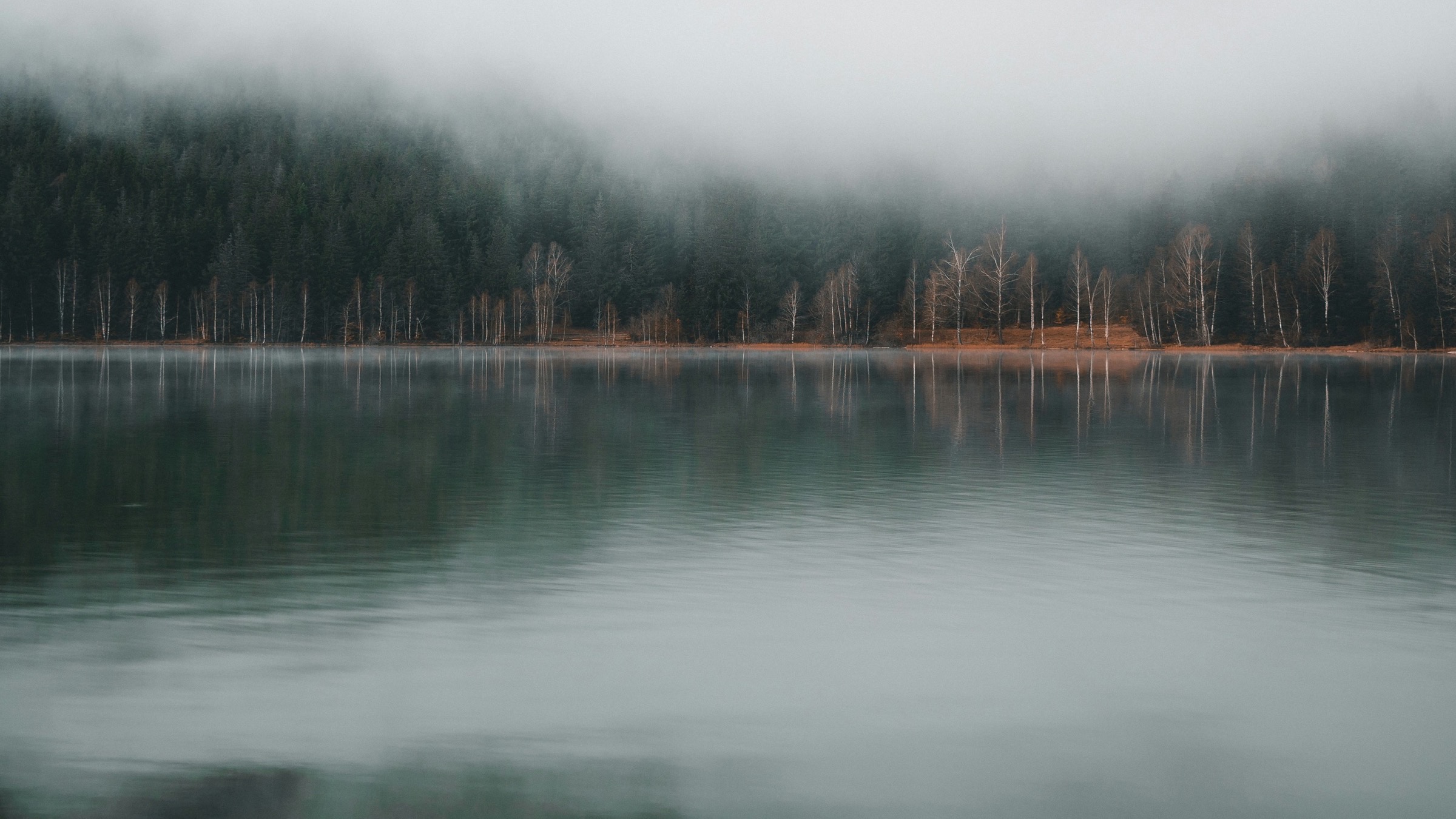
A legend about a village slowly swallowed by the peat bog, a bell-ringer who refuses to leave, and a sound left beneath moss, water, and peat.
The story text is currently being written.
Depths
Mohos Peat Bog · Ciomad / Băile Tușnad
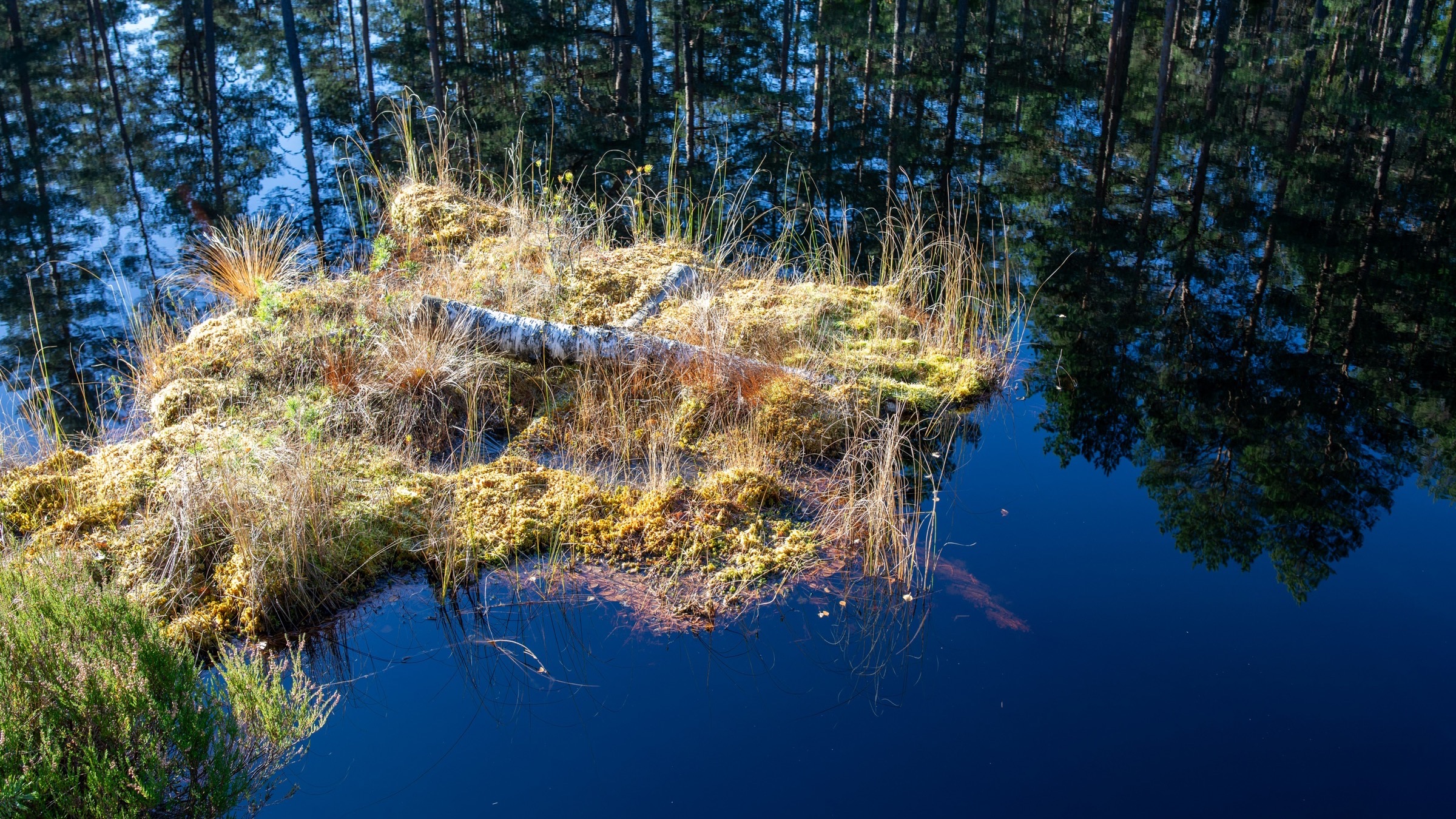
A peat bog spread across a volcanic crater near Lake Saint Anne, where water hides beneath moss, dwarf pines, and dark pools.
Real place
Mohos Peat Bog
Type
peat bog / oligotrophic bog
Region
Ciomad / Băile Tușnad
Altitude
approx. 1050 m
Visit duration
to be verified; visits are guided
The official site states that the bog can only be visited by guided groups.
Access
guided, from the Lake Saint Anne access area
Season
spring–autumn; check guided visit schedule
Suitable for
nature, photography, botany, quiet travel
Featured legend
A legend about a village slowly swallowed by the peat bog, a bell-ringer who refuses to leave, and a sound left beneath moss, water, and peat.
The story text is currently being written.
Geography & Science
Some sources mention 80 ha for the bog; the wider reserve appears in other sources as 240 ha.
Visiting guide
Mohos Peat Bog is visited only in guided groups, from the access area shared with Lake Saint Anne. Schedule, fees, and rules should be checked before leaving.
Ideal time: morning or earlier in the day, after checking the guide schedule
Mohos Peat Bog lies near Lake Saint Anne, in the northern crater of the Ciomad massif. Access is usually from the same parking/visitor area as Lake Saint Anne, but the bog itself is visited with a guide.
Spring, summer, and autumn are best. Check guided tour schedules before leaving, especially outside peak season.
Yes, if they are used to nature walks and stay on the arranged route. For small children, the pace of the tour and strict rules may be more difficult.
The bog is a sensitive natural reserve. Do not pick plants, do not leave the path, and do not treat the water pools as simple puddles: they are part of a rare habitat.
Notice this
Look at the dark pools between the moss and dwarf pines: that is where you can best see that the bog is not solid ground, but an old lake still changing.
Location
Follow the thread of history on the interactive map to discover the exact place of this legend.
Open full mapExploration
Stay close
We only write when a new journey opens: one legend, a map, and a few traces you can visit.